
Degenerative disc disease is one of the most common causes of chronic back and neck pain, affecting millions of adults each year. Although the condition sounds progressive or severe, it simply refers to the natural wear and tear of the spinal discs that occurs over time. Many people begin experiencing symptoms in their 40s or 50s, though pain and stiffness can appear earlier due to injury, repetitive strain, or genetics. The question many patients ask is what is the best pain relief for degenerative disc disease, and the answer depends on the individual needs of each person, the severity of degeneration, and the type of symptoms they experience.
At TheraHealth and Wellness, we support patients with evidence-based therapeutic programs designed to reduce pain, improve mobility, and help preserve long-term function. While degenerative disc disease cannot be reversed, patients can experience meaningful improvements when the right treatment plan is put in place. Understanding how the condition affects the spine and how therapies can target specific symptoms is the first step in creating a path to better daily comfort.
Understanding Degenerative Disc Disease
Degenerative disc disease typically begins with the breakdown of the soft, cushioning discs that sit between each vertebra. These discs act as shock absorbers, allowing the spine to flex, bend, and absorb impact. As they wear down, the space between vertebrae becomes smaller, and surrounding joints and nerves may become irritated or compressed. This process can lead to pain, stiffness, inflammation, muscle spasms, and even radiating discomfort into the arms or legs depending on where the degeneration occurs.
Pain from degenerative disc disease may come and go, sometimes appearing after activity and other times worsening with prolonged sitting or standing. Because the symptoms vary from patient to patient, the best treatment involves a customized approach that addresses strength, flexibility, posture, and overall spinal stability.
Common Symptoms That Require Pain Relief
While each person’s experience may differ, many patients seek help because of symptoms such as:
Persistent lower back or neck pain that becomes worse with certain movements
Stiffness or limited range of motion
Pain radiating to the shoulders, arms, hips, or legs
Numbness or tingling caused by nerve compression
Muscle weakness or spasms affecting daily activity
Recognizing these symptoms early makes it easier to create a targeted therapeutic plan. Many people find that pain becomes more manageable when they begin strengthening the muscles that support the spine and learning strategies to reduce strain during daily tasks.
What Helps Provide Relief?
A combination of conservative, non-invasive therapies can significantly reduce discomfort and improve spinal function. When people ask what is the best pain relief for degenerative disc disease, the answer often includes a mix of physical therapies, lifestyle changes, and long-term maintenance strategies rather than relying on a single method.
Effective Approaches for Pain Relief
- Activity modification and improved body mechanics
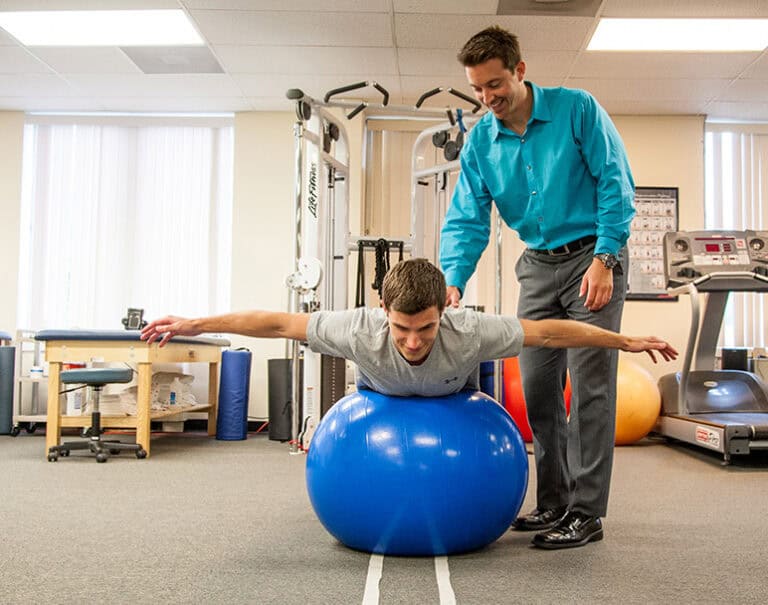
- Strengthening programs targeting the core and spinal muscles
- Posture retraining to reduce pressure on spinal discs
- Heat or cold therapy to manage inflammation
- Stretching techniques to relieve muscle tightness
- Guided therapeutic exercises to maintain disc mobility
Complementary Treatments That Support Recovery
- Manual therapy to reduce stiffness and improve joint movement
- Soft tissue techniques to relieve muscle tension
- Balance and stabilization exercises to support spinal alignment
- Education on proper lifting, bending, and sitting habits
- Long-term home care routines to prevent flare-ups
These therapies work best when performed consistently and under the guidance of a trained professional who understands the mechanics of spinal degeneration.

How Therapy Supports Degenerative Disc Disease
Therapy plays a critical role in improving the stability and function of the spine. Weak or imbalanced muscles often contribute to disc strain, increasing discomfort and limiting movement. By building a stronger foundation of support, many patients experience significant reductions in pain without medications or invasive procedures.
In addition to strengthening, therapy also helps with flexibility. Tight muscles around the spine can pull the vertebrae out of alignment and add extra pressure to the discs. Stretching routines and manual therapy techniques can reduce tightness, improve mobility, and help restore fluid movement in the joints.
Another major benefit is improved posture. Many people with degenerative disc disease unknowingly adopt positions that worsen their symptoms, such as slouching or leaning forward. Targeted exercises help retrain the body to maintain proper alignment, which reduces pressure on the spine and helps prevent flare-ups.
Therapy also enhances circulation to the affected areas, bringing essential nutrients that support healing. While degenerative disc disease itself cannot heal, the surrounding tissues—muscles, ligaments, and joints—can become stronger and more resilient, creating a noticeable improvement in function.
Creating a Personalized Treatment Plan
Because every patient’s condition is different, the best pain relief plan focuses on the type of degeneration they have, their level of mobility, their pain triggers, and their long-term goals. Some patients may need gentle stretching and stabilization first, while others benefit from strengthening exercises, balance work, and postural correction. Our therapists at TheraHealth and Wellness evaluate each patient individually to build a plan that fits their lifestyle and supports daily comfort.
In many cases, therapy can prevent the need for more aggressive treatments. By addressing movement patterns, muscle strength, and flexibility, patients often find that they can keep pain under control through regular maintenance sessions and home exercises. For those who experience flare-ups, guided therapy helps reduce symptoms more quickly and safely.
Choosing the Best Approach for Long-Term Pain Relief
When exploring what is the best pain relief for degenerative disc disease, it becomes clear that long-term relief is the result of consistent care, personalized exercises, and professional guidance. Medications may offer temporary comfort, but strengthening the spine and improving movement patterns create results that last. With the right approach, many patients continue to enjoy active lifestyles without allowing their condition to limit their daily activities.
If you or a loved one are struggling with back pain, stiffness, or limited mobility related to degenerative disc disease, TheraHealth and Wellness can help. Our team is committed to creating customized, effective treatment plans that support comfort, movement, and long-term wellness.
Contact TheraHealth and Wellness today to learn more about our personalized therapy programs and start your journey toward better spinal health.