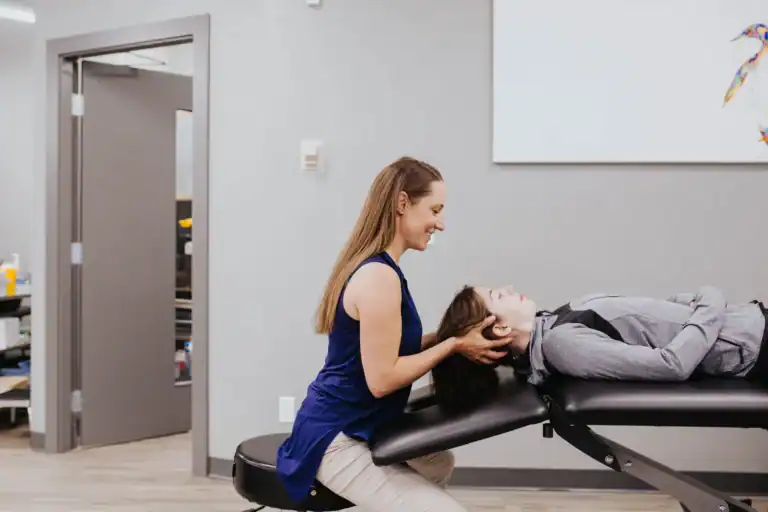

Introduction to At-Home Physical Therapy
Recovering from an injury, surgery, or balance problem doesn’t always require in-clinic visits every day. At TheraHealth and Wellness, we provide guidance for patients in West Palm Beach who want to continue their rehabilitation safely at home. Understanding how to do physical therapy at home, how often to perform exercises, and coverage options can help patients maintain progress, improve mobility, and prevent setbacks. This article explores practical strategies and answers common questions about at-home physical therapy.
Key Takeaways
- Physical therapy at home can complement in-clinic sessions and improve recovery outcomes
- Exercises should be performed consistently according to professional guidance
- Medicare and other insurance may cover certain at-home therapy services
- Patients benefit from structured plans and proper instruction to prevent injury
Common Focus Areas for At-Home Physical Therapy
Patients using physical therapy at home often focus on:
Regaining mobility after surgery or injury
Improving strength in specific muscle groups
Enhancing balance and coordination
Reducing chronic pain or stiffness
Supporting recovery from neurological conditions
Maintaining progress between in-clinic therapy visits
How At-Home Physical Therapy Works
A licensed therapist will provide an individualized plan, including exercises and techniques tailored to the patient’s condition. This allows patients to continue rehabilitation independently while receiving periodic check-ins and modifications from their care team. Understanding how often should you do physical therapy at home and how to do physical therapy at home are essential for maximizing benefits without causing strain or setbacks.
Patients may also wonder, can you do physical therapy at home without supervision? The answer is yes, but it requires proper instruction, adherence to the plan, and regular communication with a therapist. Your therapist can adjust exercises to your tolerance and monitor progress safely.

Potential Benefits of At-Home Physical Therapy
Engaging in therapy at home can provide multiple benefits, including:
- Maintaining progress between in-clinic appointments
- Reducing pain and stiffness through regular movement
- Increasing independence and confidence in daily activities
- Improving strength, flexibility, and endurance
- Supporting balance and fall prevention
- Encouraging long-term adherence to a healthy routine
Consistent at-home therapy can significantly enhance recovery outcomes when combined with professional guidance.
Frequently Asked Questions
Frequency depends on your condition, goals, and therapist’s recommendations. Many patients perform exercises daily or several times per week, while some may need shorter, more frequent sessions.
Follow the exercises prescribed by your therapist, use proper form, and avoid movements that cause pain. Ask your therapist to demonstrate and review your technique during clinic visits or virtual check-ins.
Yes, with guidance from a licensed therapist. Clear instructions, exercise sheets, and occasional progress checks can help you perform exercises safely.
Medicare may cover physical therapy at home if it is medically necessary and prescribed by a doctor. Coverage depends on your specific plan and documentation from a licensed therapist.
Consistency is key. Most therapists recommend performing exercises according to a structured schedule, often several times per week, depending on your condition and overall goals.
Long-Term Support for At-Home Rehabilitation
Physical therapy at home allows patients to take an active role in recovery while maintaining safety and independence. At TheraHealth and Wellness, we emphasize education, regular monitoring, and personalized care plans so patients can confidently continue their rehabilitation outside the clinic.
Contact TheraHealth and Wellness
If you have questions about at-home physical therapy or would like professional guidance tailored to your needs, TheraHealth and Wellness is here to help. Our team can explain treatment options, review your goals, and determine whether at-home physical therapy is appropriate for your condition. Contact us today to learn more or to schedule a consultation and receive personalized support for your recovery journey.